Keeping pets – information and advice
Domestic animals (pets)
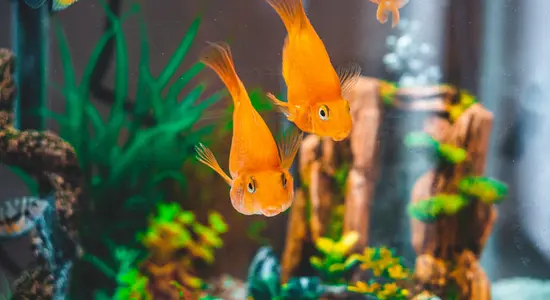
Secure, flexible (fixed term), and introductory tenants can keep pets. You don’t need to ask our permission to keep small domestic animals such as dogs, cats, rabbits, mice, guinea pigs, fish, or cage birds.
Your responsibilities
Pets can bring a lot of joy to you, but they are a big responsibility and costs vary. Please think carefully before getting any new pet. Try the RSPCA’s pet cost calculator.
You must not keep an animal in an independent living scheme or in a property with a shared entrance unless it’s a registered guide dog for the blind or a registered assistance dog for the deaf and you have our permission to keep it.
If you have any pets, you must keep them under control. Don't allow them to:
- make a lot of noise
- roam on the estate or in other gardens
- foul on the estate, in shared areas, or on footpaths
You must clean up after your pet every day. This includes if it fouls in your own garden, another garden, or any public place. You can’t breed animals in your home or garden.
You must make sure that your pet doesn’t cause any nuisance or damage. If you don’t keep your pet under control, we can take action against you for breach of your tenancy conditions.
If we believe that you’re neglecting the welfare of any animal kept at your home, we will report the matter to the appropriate authorities where you could be liable for prosecution under the terms of the law.
Keeping birds at your home
You don't need permission from us to keep birds at your home outdoors, such as pigeons, chickens, or ducks. However, cockerels are not permitted because of the nuisance and disturbance they may cause to neighbouring residents.
If you wish to install any type of bird housing or enclosure, including a coop, aviary, shed, or other structure, you must get our permission before installation.
As a bird owner, you are responsible for making sure that your birds are kept safely and humanely and that they don't cause nuisance, health and safety concerns, or other environmental issues for neighbours.
We may take action where the keeping of birds, or any associated housing or enclosures, results in anti-social behaviour, nuisance, environmental concerns, health and safety risks, or a breach of your tenancy agreement.
Anyone keeping poultry or other captive birds must comply with current government registration requirements. Further information, including how to register, is available on the GOV.UK website.
Looking after dogs - advice and guidance
If you have a pet dog, you must look after it properly and make sure it doesn’t cause a nuisance. A dog is a big responsibility and expense to care for, so please think carefully before getting one.
Exercise them – give your dog plenty of exercise but keep your pet under control. If they stray, they may cause a road accident or damage property. You’re legally responsible for your dog’s behaviour.
Clean up after them – never let your pet foul on the estate especially all areas where children play. Pick up the dog mess promptly and dispose of in a responsible manner. You’ll be liable for a fine for not doing so.
Don’t leave them alone for too long – it’s unfair to the dog and your neighbours if the dog is alone and barking. When you’re away, arrange for your pet to be looked after by a reliable friend or family member or place your dog in a licensed boarding kennel.

Maintain a healthy diet – obesity in dogs is a common problem and can shorten their life and cause them unnecessary suffering. Feeding them the wrong food can affect their heath too.
Keep them well groomed – regular grooming keeps your dog’s coat in good condition.
Get them microchipped – all dogs must be microchipped by a trained professional. Your dog’s microchip is given a number, which will show up whenever your dog is scanned. Your contact details are kept alongside the microchip number on a database, so that your dog can be returned to you if it’s lost or stolen. You can be fined up to £500 if your dog isn’t microchipped.
Get them neutered or spayed – we don’t allow our tenants to breed dogs or cats in their home. Animal welfare charities and vets recommend that dogs are neutered or spayed to avoid unwanted puppies and to protect your dog from certain health problems.
Protect them against diseases, worms, ticks and fleas – vaccinate your dog against diseases, worm them regularly, and protect them against ticks and fleas to prevent your dog from getting ill and suffering.
Insure them – you’ll need to pay for treatment at the vets, so shop around for the best policy and make sure your pets are covered.
Information for owners of XL Bully type dogs
XL Bully dogs were added to the list of dogs that are banned in England and Wales in 2023.
Our tenancy agreement states:
You must not keep the following animals at your property:
- Any dog the Dangerous Dogs Act 1991 applies to
- Any animal the Dangerous Wild Animals Act 1976 applies to
- Any dangerous animal
- Any livestock
- Any animal which causes a health and safety risk in the area
- Any animal which is not bred to be a domestic pet
The Dangerous Dogs Act 1991 has been amended to include XL Bully dogs and as such we will not allow tenants to have this breed in their homes from the date of the ban, unless your dog has been exempted.
What does this mean?
On 31 December 2023 the Dangerous Dogs Act 1991 was amended and you’ll break the law if you:
- Sell or give away an XL Bully type dog
- Abandon an XL Bully type dog
- Let an XL Bully type dog stray
- Breed from an XL Bully type dog
- Have an XL Bully type dog in a public place without a lead and muzzle - this includes in a vehicle on a public road
Since 1 February 2024 you'll break the law if you:
- Own an XL Bully type dog, unless you have a valid Certificate of Exemption which you can produce to a police officer or dog warden

What do I need to do?
It's now a criminal offence to own or possess an XL Bully dog in England and Wales, unless the dog has a valid Certificate of Exemption. Applications for a Certificate of Exemption closed on 31 January 2024, so new exemptions can now only be authorised by a court order. If you own an XL Bully dog and don't have a valid Certificate of Exemption, you should contact South Yorkshire Police for advice.
If you have a valid Certificate of Exemption for an XL Bully dog, you must continue to comply with the exemption conditions throughout the dog's life.
You must keep the dog at the same address as the certificate holder. The dog can only be kept at a different address temporarily, for a maximum of 30 days in any 12-month period. You must tell Defra if you permanently change address, if the dog dies, or is exported.
The dog must remain microchipped and must be neutered in line with the exemption requirements. You may be asked to provide access to the dog its microchip can be checked.
In public places, the dog must be kept on a lead and muzzled at all times. The lead must be securely held by someone aged 16 or over. The dog must also be kept in secure conditions so it can't escape. If you're asked by a police constable or an authorised local authority officer to provide a Certificate of Exemption, you must provide this within five days.
Further help and information for owners
It is the owner's responsibility to understand whether their dog may be an XL Bully dog and to make sure they comply with the relevant legislation. If you're not sure, please use the official UK government definition and conformation standard for XL Bully dogs to check your dog's physical appearance and characteristics, including its size and height.
You may also wish to get advice from a vet or from another qualified professional, but the responsibility for complying with the law is on the owner. If after checking the guidance, you're still unsure whether your dog is in scope of the ban, you should take a precautionary approach and comply with the relevant XL Bully requirements.
If you're concerned about your dog's behaviour, we encourage you to speak to your vet and they can refer you to an ABTC registered Clinical Animal Behaviourist if necessary.
If you live in a council home and own an XL Bully dog, the dog must have a valid Certificate of Exemption. If your XL Bully dog has been legally exempted and you haven't already told us, please contact us and provide a copy of the current Certificate of Exemption for our records.
To help protect the safety of our employees, contractors, and subcontractors when visiting your home, we'll place a warning marker on our housing management systems to record the presence of the dog at the home. This information will be used to make sure appropriate precautions can be taken during visits and doesn't affect your tenancy, provided all legal requirements relating to the dog continue to be met.
If you fail to provide a valid Certificate of Exemption when requested, or if we have a reason to believe the dog is not being kept in line with the legal requirements, we'll report this to South Yorkshire Police, and any other relevant authorities so appropriate enforcement action can be considered.
Dangerous dogs are dealt with by the Police under the Dangerous Dogs Act 1991. In an emergency, contact the Police directly on 999. Banned or stolen dogs should be reported directly to South Yorkshire Police on 101. More information is available on Barnsley Council's website.
If you believe a tenant has a dangerous or banned dog, you should contact South Yorkshire Police in the first instance, as they are the lead agency for dealing with dangerous or banned dogs. Once you have reported your concerns, please contact us on 01226 787878 to let us know. We'll work in partnership with the South Yorkshire Police and, where appropriate, share relevant information to help establish whether the dog is exempt and being kept in line with the law, or if further action is required.